How to negotiate a counter-offer when you resign
Why employers counter, when accepting works and when it backfires, the conversation script, getting it in writing, and keeping faith with the new employer.
Why employers counter, when accepting works and when it backfires, the conversation script, getting it in writing, and keeping faith with the new employer.
What data analysts do all day, the tools that matter (SQL, Excel, BI), portfolio projects that get interviews, the junior market honestly and where it leads.
Why interviewers ask about your greatest weakness, the honest-plus-fix structure, six worked answers for different roles, and the answers that backfire.
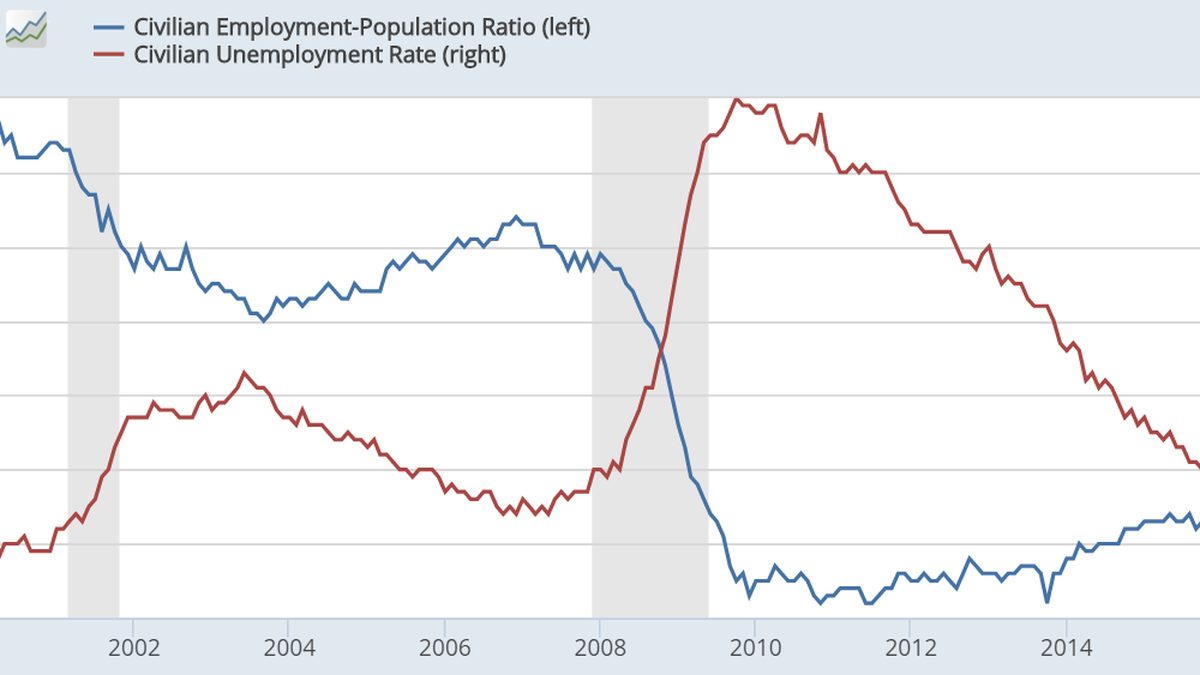
What the monthly US and UK labour statistics actually measure, which figures matter to a job seeker, how to use them to target a search, and common misreadings.
Managing money between jobs: unemployment benefits by country, which bills come first, health cover, side income rules, and why not to raid retirement savings.
When to resign, telling your manager first, a short letter template, notice periods in the US, UK, Canada and Australia, handovers and keeping the door open.
Why employers now add take-homes, live exercises and assessments, what each format is really testing, how to prepare for them, and when to decline unpaid work.
How forklift certification works in the US, UK and Australia, cost and duration, what warehouse employers really hire for, and the pay ladder to supervisor.
How overtime works in the US, UK, Canada and Australia, why exempt does not mean what people think, how to check your payslip, and what to do if you are owed.
Scripts for turning down extra work, unrealistic deadlines, pointless meetings and tasks outside your role, plus how to tell when a no is a real career risk.
The certificates worth having (AIPB, NACPB, QuickBooks ProAdvisor, UK AAT), the software to learn, how to get a first job or client, and where bookkeeping ends.
Certificate versus degree, whether you need either, what paralegals actually do, main specialties, routes to law school or legal operations, and a typical day.
Scripts for the credit-taker, blocker, gossip and passive-aggressive colleague, when to involve your manager, protecting your record and checking if it is you.
How the US DOL rule and ABC test, UK worker status and the EU platform work directive are shifting, and what it means for drivers, couriers and freelancers.
Camera, lighting, sound, background and notes, a tech checklist, what changes compared with meeting in person, and how to handle one-way recorded interviews.
How to value employer benefits in cash terms: health insurance, pension matching, paid leave and stock plans, the common traps, and how to compare two offers.
CNA, phlebotomy, medical assistant, pharmacy tech, EMT and sterile processing: training length, costs, what the work is like, and ladders into nursing.
The 20 functions that cover most office work, pivot tables, a four-week self-study plan with practice tasks, free resources, and how to prove it on a resume.
The first 48 hours after a layoff: what to check in a severance agreement before signing, your rights in the US, UK and Canada, benefits, and the restart.
Is AI shrinking junior roles or is that a convenient story? What the evidence shows, which entry jobs are changing, and how graduates should respond.
Honest ways to explain caring, illness, redundancy, travel and prison on a resume and in interviews, plus what employers can legally ask in the US and the UK.
Where to find reliable salary data, how to adjust it for your location and experience, the clues inside your own company, and what to do once you know.
The routes into HVAC work, what the EPA 608 test covers, how the seasons shape the workload, pay progression in plain words and what the first year is like.
Why retirements outpace new entrants in the trades, which trades and regions are short, what employers now offer, and how to use it if you are choosing a path.
What a PIP is and is not, how to read the document, recovering while preparing to leave, keeping a record, negotiating an exit and how US and UK rights differ.
What the Iceland, UK and other four-day week pilots found, 100-80-100 versus compressed hours, which industries suit it, and how to propose one at work.
When a cover letter still matters, a three-paragraph structure, opening lines that are not 'I am writing to apply', a full sample, and a ten-minute routine.
MIG, TIG and stick explained, training via community college, union apprenticeship or employer, how AWS certification really works, and pay in words.
How to read an offer letter and contract: base, bonus, equity, probation, notice, non-compete and IP clauses, and the questions to ask before signing.
The signs of burnout beyond tiredness, what the research says about recovery, a week-by-week plan, how to talk to your employer, and when to see a doctor.
A time budget that survives a bad week, how to pick one skill, using employer tuition benefits, and proving what you learned with a small project.
A realistic mid-career pivot: what transfers, adjacent moves vs a full reset, how much runway you need, retraining options, and handling ageism in interviews.
Get hired through LinkedIn without posting: the profile fields recruiters filter on, the open-to-work setting, finding hiring managers, and a message script.
Salary range rules in US states, the EU Pay Transparency Directive and the UK position, plus how to use a posted range in negotiation and where the limits are.
Moving from hourly to salaried: what overtime exemption means in the US and UK, what you gain and lose, and how to compare two offers on a true hourly basis.
How to build the case for remote or hybrid work in your manager's terms, propose a trial period, a sample email to send, and what to do if the answer is no.
CDL classes and endorsements, company-paid training contracts versus private schools, what the first year on the road is really like, and what drivers earn.
Associate degree route, national and clinical exams, pay in plain terms, physical toll, part-time flexibility, and how hygiene differs from dental assisting.
A realistic 14-day plan for finding work fast: quick-hire sectors, staffing agencies, gig work as a bridge, and applying in volume without wasting effort.
Five-day mandates make headlines while hybrid remains the norm. How bargaining power differs by role, your rights, and what to do if your employer won't bend.
Which entry-level certifications open doors in IT, construction, food service, logistics and project management, which are just badges, and what each costs.
How to ask for a raise: build an evidence file over months, time the ask to the budget cycle, run the meeting from a script, and handle a no.
Day-to-day reality of project management, which industries hire, how people get in without the title, whether PMP matters, and project vs program vs product.
How to diagnose the type of bad manager you have (absent, micromanager, credit-taker, volatile), tactics for each, when to involve HR and when to leave.
When to send a thank-you email after an interview, a template you can adapt, what to do after a week or two of silence, and when to stop waiting and move on.
Governments and big employers say they are dropping degree requirements. Where it is real, where it is a press release, and how to present skills credibly.
The junior developer market has changed since 2023. Who bootcamps still work for, what to ask before paying, and what a realistic 12-month path looks like.
How to research the pay band, handle the expectations question, counter an offer with exact wording, and what to negotiate beyond base salary.
The present-past-future structure for 'tell me about yourself', three worked answers for different career levels, how long to talk, and the mistakes to avoid.
A week-by-week plan for starting a new job: what to do in weeks 1, 2 to 4 and 5 to 12, the questions to ask your manager, and the early mistakes that stick.
Prerequisites, how apprenticeships work, journeyman and master licensing, specializations, a typical working week, and the parts of the trade nobody mentions.
Applicant tracking systems and AI screeners decide who gets seen. What they really filter on, how to format for the parser, and why keyword stuffing backfires.
How electrician, plumber, HVAC and welding apprenticeships work in the US, UK and Canada, what you earn while training, and how to actually get in.
A practical guide for school leavers, career changers and returners: what goes on a resume when you have no work history, with a full sample layout to copy.